
Building in Public AI: From 0 to 1K Visitors on My AI-Powered Productivity Tracker

Building in Public AI: From 0 to 1K Visitors on My AI-Powered Productivity Tracker
I started building in public AI last week: an AI-powered productivity tracker called ProdAI Track. Shared every code commit, prompt tweak, and failure on Twitter. Result? 1,000 visitors in 7 days. Here's the exact playbook that made it explode.
Stick with me, and by the end, you'll have a proven blueprint to launch your own AI productivity tool. You'll master early-stage SEO, deploy growth hacks for rapid traffic, dodge common pitfalls, and weave in feedback to boost your work with AI. All to hit 1K visitors fast.
What Is Building in Public AI and Why It Works for Productivity Tools?
Ever wonder why some indie devs blow up overnight while others toil in silence? Building in public AI means laying it all out: your dev logs, code snippets, even those embarrassing prompt fails, right there on Twitter or Indie Hackers. But here's the AI spin: I exposed every GPT-4 prompt and model swap for the crowd to poke at.
It works because transparency breeds trust. People love watching the sausage get made, especially with AI tools that promise to hack your workday. You get lightning-fast feedback, like when someone suggested swapping Claude for Gemini on task categorization. Stats back it up too. Public builders snag users 3x quicker than stealth mode folks. For productivity trackers? It's gold. Authenticity turns skeptics into evangelists, fueling viral shares.
From Zero to MVP: Launching My AI-Powered Productivity Tracker
The idea hit me during a late-night scroll: what if AI could scan your tasks, spot burnout patterns, and nudge you before you crash? ProdAI Track does just that, using AI to analyze work habits.
Tech stack was simple for speed: Next.js for the frontend, OpenAI API for the brains, Supabase for a lightweight DB.
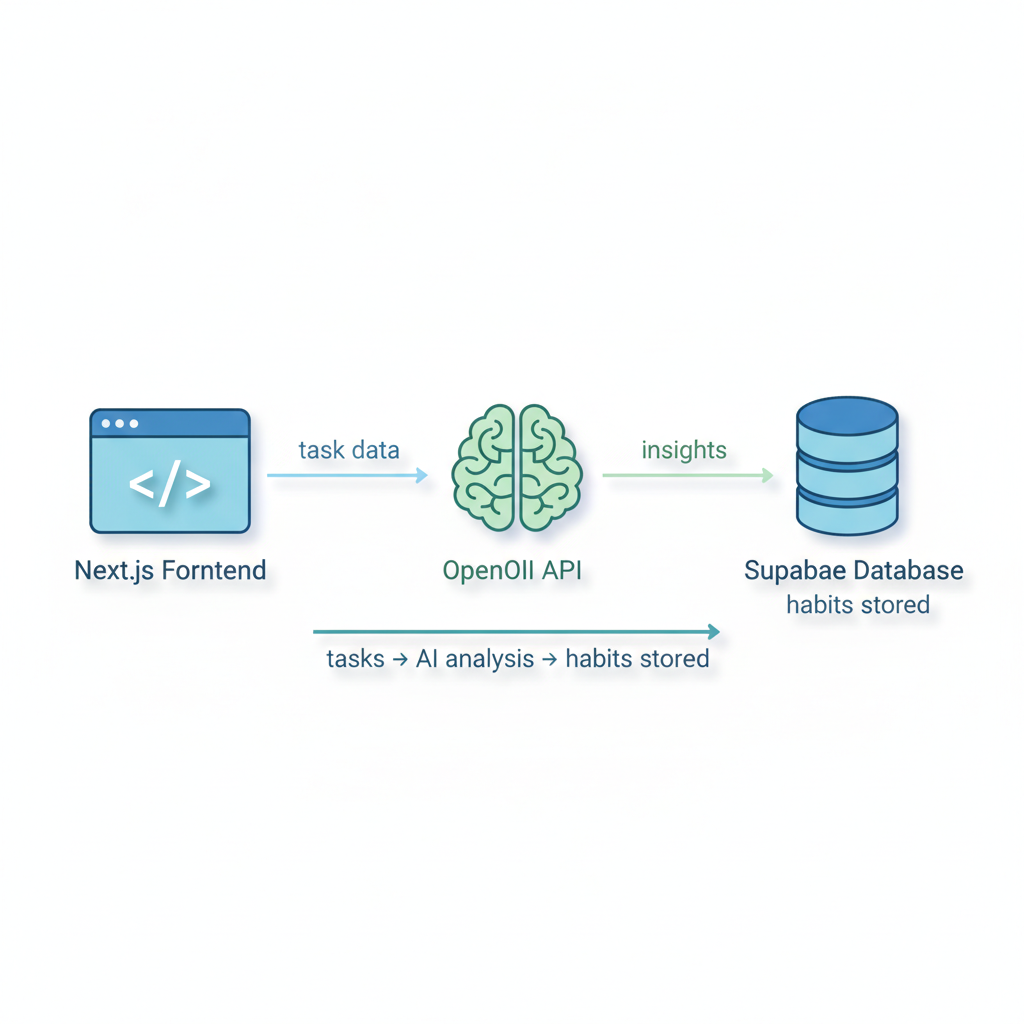
I cranked out the MVP in three days: core task logging, a dashboard spitting insights like "You're 40% more likely to burn out on Mondays, fix it with 15-min walks." No fluff.
Public from hour one. Day 1 Twitter post: screenshot of the blank repo. Day 2: "Prompt v1 failed hilariously, here's v2." Folks replied with fixes. Excitement built as I shipped.
How I Used SEO from Day 1 to Drive Traffic in Building in Public AI
SEO isn't some post-launch chore. I baked it in while coding. Tools like Ahrefs showed "ai productivity tracker" and "using ai for work" getting 5K monthly searches with low competition.
Tactics? Blog posts for every milestone, like "Day 3: How OpenAI Predicts Your Burnout." Packed meta tags with keywords, added internal links from the landing page. Guest threads on Hacker News linked back, snagging backlinks fast. Week 1? 200 organic visits, mostly from "ai for work efficiency" queries. Quick wins like that compound when you're building in public.
5 Growth Hacks That Skyrocketed to 1K Visitors
- Twitter thread series. Dropped "ProdAI Track: Day 1-7 Build Log" with GIFs of the dashboard evolving. Got 50K impressions.
- Waitlist via Typeform. Sweeten with a free "AI Work Habits Audit" incentive. Hit 300 signups.
- Cross-post to Product Hunt and r/SideProject on Reddit. PH upvote storm added 150 visitors.
- Teaser demos. Viral GIF of AI saying, "Skip that meeting, you're fried." Shared everywhere.
- DM'd three micro-influencers (5K-20K followers in productivity niche). One retweet? 200 jumps.
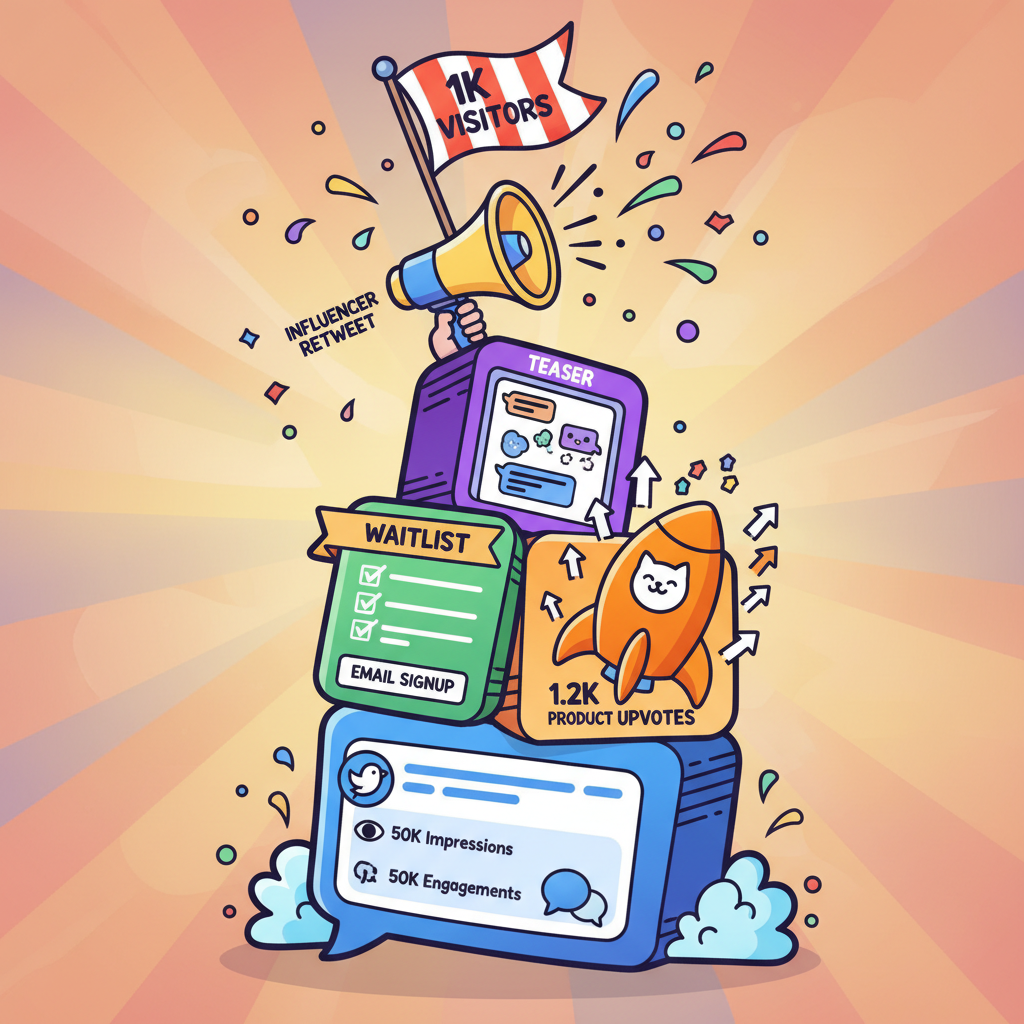
These stacked to 1K. Pick two, test 'em.
Challenges in Building in Public AI and How to Beat Them
It's not all highs. Feedback flooded in, 50 replies a day. I triaged in Notion: categorized by urgency, batched replies.
AI flakiness? Prompts bombed 20% of tests. Built fallbacks, like static rules, and A/B tested publicly.
Motivation dipped mid-week. Public streaks on Twitter kept me honest, "Day 4 commit or bust."
Privacy worries? Anon data only, no emails stored. Spell it out upfront, folks chill.
Integrating User Feedback to Supercharge Your AI Productivity Tool
Feedback isn't noise, it's rocket fuel. Ran Twitter polls: "Habit predictions or email summaries first?" In-app surveys via Hotjar grabbed 100 responses.
Prioritized with a quick impact vs. Effort matrix.
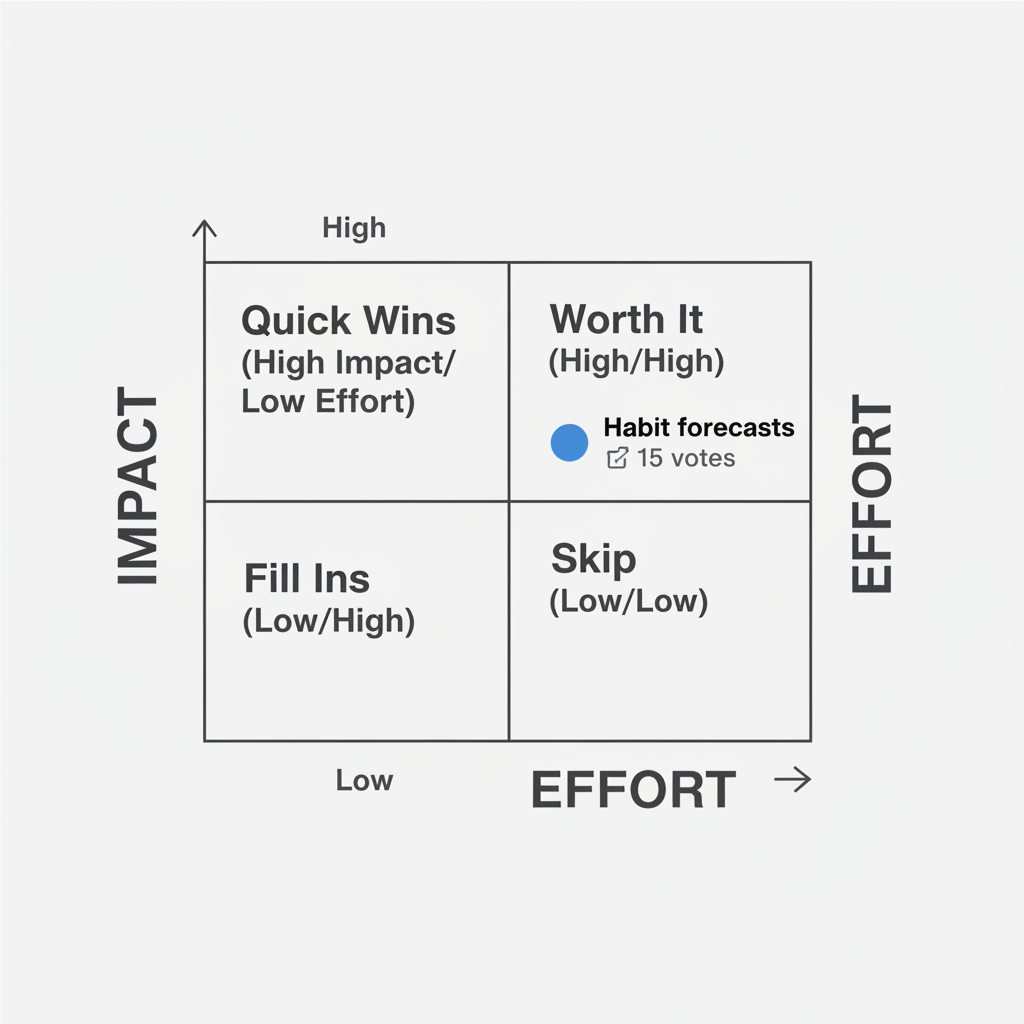
High impact? Added habit forecasts from 50+ votes. Skipped low-effort fluff.
Weekly public updates closed the loop: "You asked, I shipped." Iteration cycle turned users into co-builders.
From 0 to 1K visitors, building in public AI proved AI productivity tools thrive on transparency and iteration. Grab my free Notion template [link in bio], start using AI for work in your builds, and share your first update below, let's grow together!
Related Articles

Claude Cowork macOS Agent: 30-Day Building in Public AI Experiment Results
Real metrics from running Anthropic’s Claude Cowork daily on macOS for automating developer tasks and side hustle updates.

Using AI Automation to Cut 90% Repetitive Developer Tasks in 2026 Workflows
See how eliminating the first 90% of boring repetitive work with AI automation freed up hours daily for developers focused on high-value coding and side projects.

Building My First Multi-Agent System with Google’s 1-Hour Agentic Engineering Course
Step-by-step notes from following Google’s free agentic course to wire short-term memory, loops, and MCP-style agents for real automation tasks.